
Author: Daniel Sparshott
Date: 09th September, 2026
Overview: Losing someone to suicide can bring a particularly complex and painful form of grief. Learn how to support someone bereaved by suicide including practical ways to help and where to find specialist support.
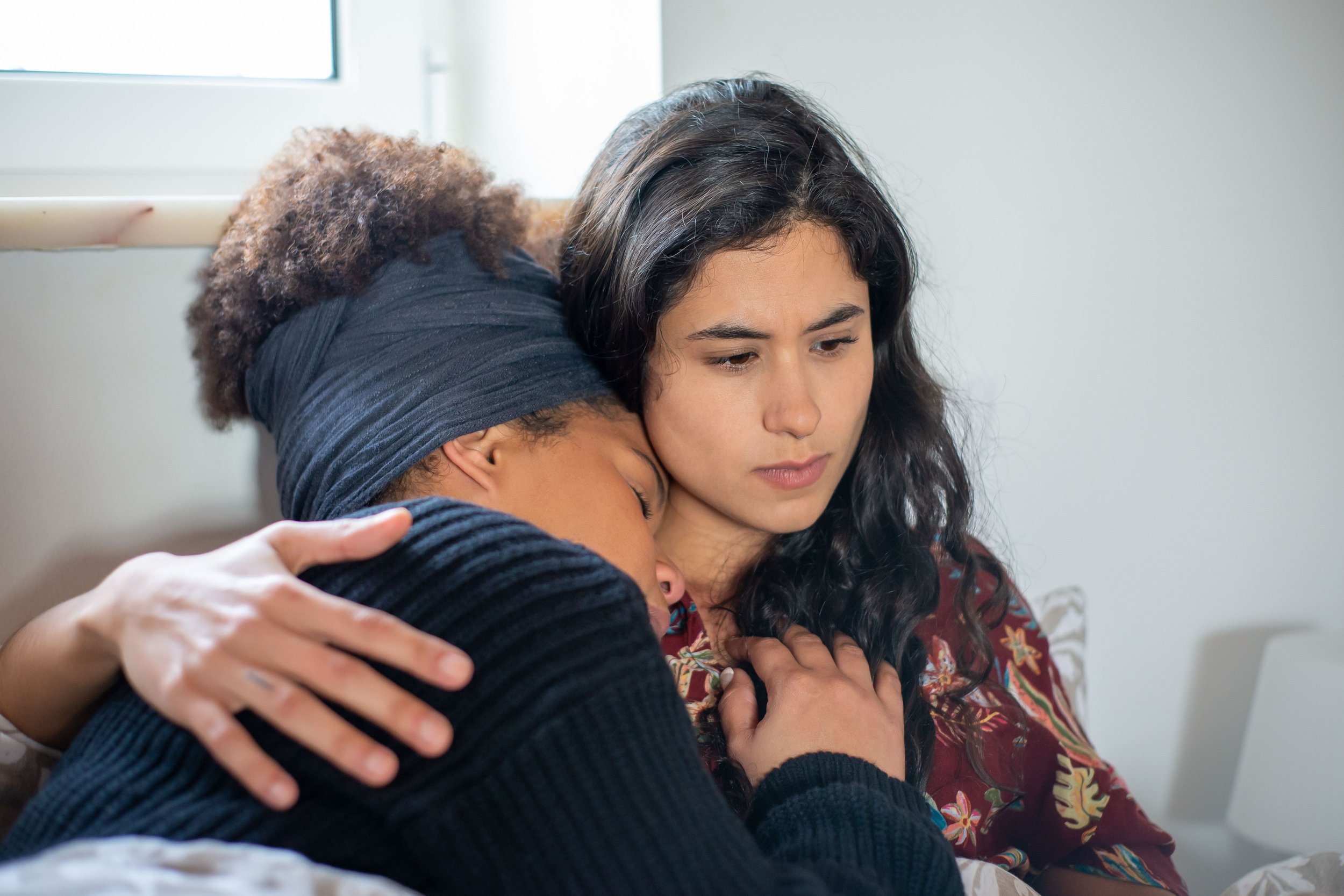
When someone dies by suicide, the impact on those around them can be profound. Alongside the pain and sadness of losing someone they love, those bereaved may be trying to make sense of what has happened and living with unanswered questions, shock, guilt, anger or feelings of responsibility.
There may also be the additional pressures of an unexpected or traumatic death, including contact with the police, a post-mortem and an inquest. At the same time, the stigma that can still surround suicide may make it harder for people to talk openly about their loss.
Every person will experience their grief differently. There is no right way to respond to a suicide bereavement and no timetable for grief. What matters is that the person knows they do not have to face it alone.
What can suicide bereavement feel like?
Grief following suicide can involve many of the feelings experienced after any bereavement, but some aspects of the experience can be particularly difficult.
A bereaved person may repeatedly ask themselves why the person died, whether they missed signs that something was wrong or whether they could have done something differently. They may experience anger towards the person who died, towards themselves or towards other people and services involved in their life. These feelings can exist alongside deep love and sadness.
There may be a need to understand exactly what happened. For others, details surrounding the death may be distressing and something they would rather not discuss.
People can also respond differently within the same family. One person may need to talk repeatedly about what has happened, while another may find talking difficult. Neither response is wrong.
The most helpful starting point is often to listen to the individual and allow them to grieve in the way that they need to.
How friends and family can help
It is common to worry about saying the wrong thing to someone who has been bereaved by suicide. That worry can sometimes lead people to avoid talking about the death altogether.
You do not need to have the right words or answers. Acknowledging what has happened and being willing to listen can be more valuable than trying to explain or fix their grief.
Some ways you can help include:
Acknowledge the person who died. Use their name and allow the bereaved person to talk about them if they want to. A person’s life is much more than the way in which they died.
Listen without judgement. They may need to tell the story of what happened more than once, express difficult emotions or ask questions that cannot be answered. You do not need to provide solutions.
Avoid trying to find a reason for the suicide. Suicide is complex and there may never be a single explanation. Speculating about why somebody died can add to the distress of those left behind.
Be careful with language. Follow the language used by the person who is bereaved and avoid words or phrases that could imply blame or judgement.
Offer specific, practical help. Rather than saying, “Let me know if you need anything”, offer to cook a meal, do some shopping, walk the dog, help with childcare or accompany them to an appointment.
Keep checking in. Support can be plentiful immediately after a death but diminish after the funeral, just as the reality of the loss may be becoming more apparent. Continue to send a message, make a call or offer to meet in the weeks and months ahead.
Remember significant dates. Birthdays, anniversaries, holidays and the anniversary of the death can be particularly difficult. A simple message to say that you are thinking of them and remembering the person who died can mean a great deal.
Be patient. Grief does not follow a predictable timetable. Someone may appear to be coping and then find their grief becomes overwhelming again months or years later.
Don’t be afraid to talk about suicide
Some people worry that mentioning suicide will cause further distress. But avoiding what happened can leave someone feeling that their experience cannot be spoken about.
Take your lead from the person who is grieving. If they want to talk, listen. If they do not want to talk, simply being present can still be valuable.
It can also be helpful to remember the person who died for who they were, rather than allowing the circumstances of their death to define their whole life. Sharing a memory, looking at photographs or simply saying their name can help create space for their life as well as their death.
Helping someone find support
Support from friends and family is important, but sometimes someone may benefit from talking to people who understand suicide bereavement specifically.
The Support After Suicide Partnership (SASP) brings together organisations and individuals across the UK working to improve the support available to people bereaved or affected by suicide. Its website provides information and practical guidance for people following a suicide, as well as helping people understand what support may be available to them.
SASP also produces Help is at Hand, a practical guide for people bereaved by suicide. It covers some of the emotions and experiences that can follow a suicide, practical matters that may need to be dealt with, and sources of further support.
Survivors of Bereavement by Suicide (SoBS) provides support to adults who have been bereaved by suicide. Much of its support is provided by people who have themselves experienced suicide bereavement. Its services include peer-led support groups, a national helpline, email support and an online community.
Additionally, those bereaved by suicide may benefit from attending The Bereavement Journey® support programme online or in-person which can help all types of bereavement and includes specific help with complicated relationships, guilt and regret.
For some people, meeting others who have experienced a similar bereavement can reduce feelings of isolation and provide a space where they do not have to explain why their grief may feel different.
AtaLoss also provides a UK-wide directory of bereavement services and bereavement support resources. You can search specifically for support following suicide, as well as finding local and national services, peer support and bereavement advice.
Look out for their wellbeing
Suicide bereavement can have a significant impact on emotional and mental wellbeing. If you are worried about someone, do not be afraid to ask how they are coping.
People who have been exposed to a suicide can sometimes be at increased risk of suicidal thoughts or behaviours themselves – an effect sometimes referred to as suicide contagion. This does not mean that someone bereaved by suicide will become suicidal, but it does make compassionate support, staying connected and knowing where to find help particularly important.
If you are concerned that someone may be thinking about suicide or harming themselves, take what they tell you seriously and if you are able, consider helping them access appropriate support. AtaLoss provides information about where to find urgent help here.
If there is an immediate risk to life, call 999.
Reflection from Survivors of Bereavement by Suicide (SoBS)
‘For those who are bereaved by suicide, their lives are impacted by a unique grief that permeates every aspect of that person’s life. Not lived, but living experience.
SoBS understands this loss first-hand and the importance of showing those who need support that there is a life after loss.
Those who are impacted are 65% more likely to attempt to take their own life, which is why postvention organisations are an essential part of closing the loop for suicide prevention.’
Finding support
There is no right way to grieve and no timetable for grief. If you have been bereaved by suicide, whether your loss was recent or many years ago, it is never too early or too late to reach out for support.
If you or someone you know is grieving and looking for support, Ataloss.org directs to bereavement support services across the UK, as well as a growing library of helpful resources for people who are grieving, whoever is bereaved and whoever has died. For specific support for suicide bereavement, see the services listed under our Circumstance of Death - Suicide filter.
Latest Articles

